
RESEARCH & DISCOVERY
Understanding
Neurodivergent Coffee Experiences
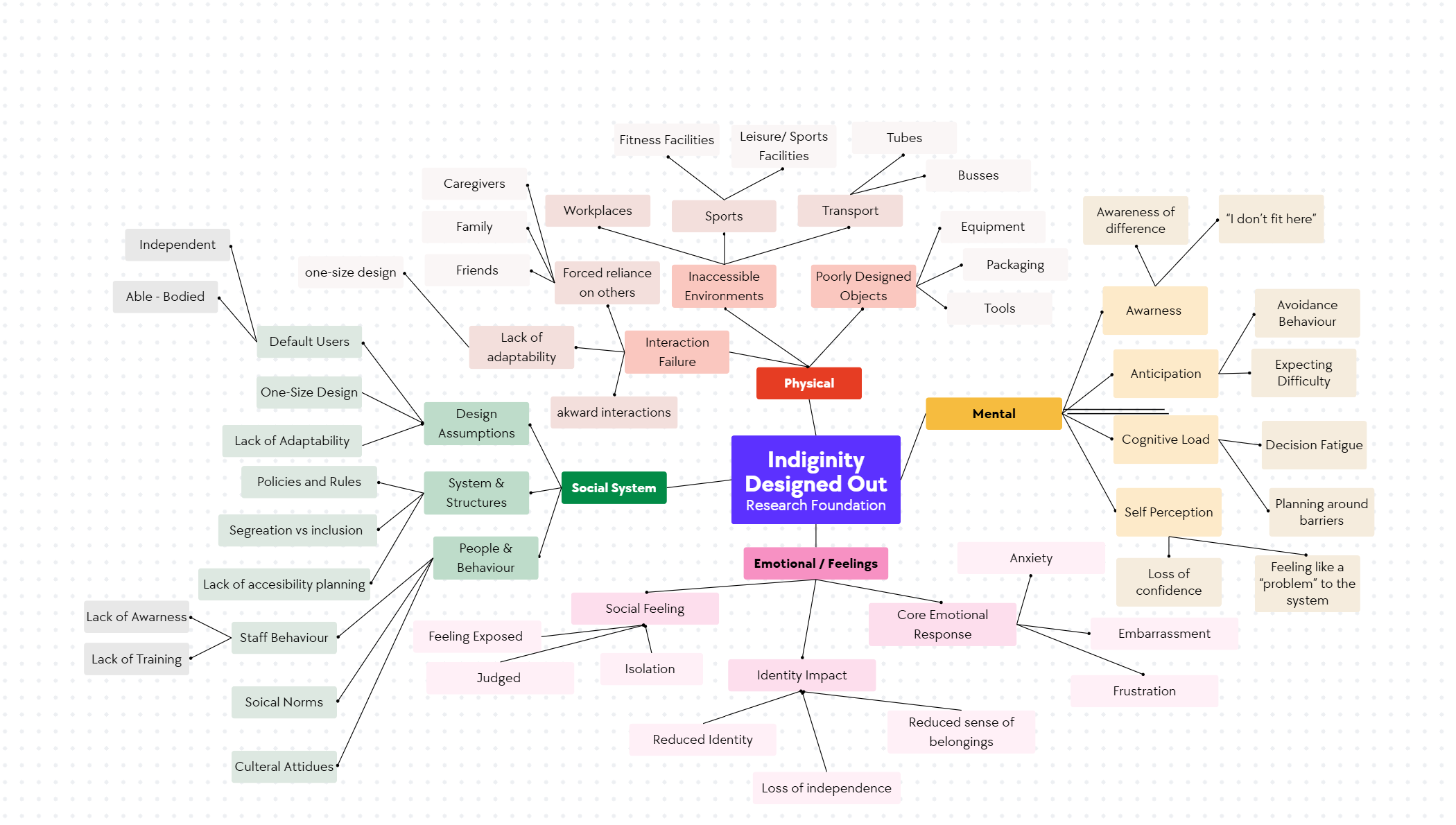
This research phase explored how neurodivergent employees experience coffee-making environments through interviews, workplace observations and workflow analysis. Using the “Indignity Designed Out” framework shown in the mindmap, the research identified how physical, cognitive, sensory, and emotional barriers can affect confidence, independence and task completion within busy settings.
Defining the problem
Neurodivergent employees in café environments may face avoidable barriers because coffee-making tools, workflows, and workspaces are often designed around generic workplace standards rather than diverse sensory, physical, and cognitive needs.
Cognitive Load
Multi-step workflows rely heavily on memory and task switching
Sensory Discomfort
Harsh lighting, heat and noisy environments can create overstimulation.
Workflow Friction
Poor organisation and unsuitable tools reduce efficiency and confidence
Workplace Observation & Site Visits
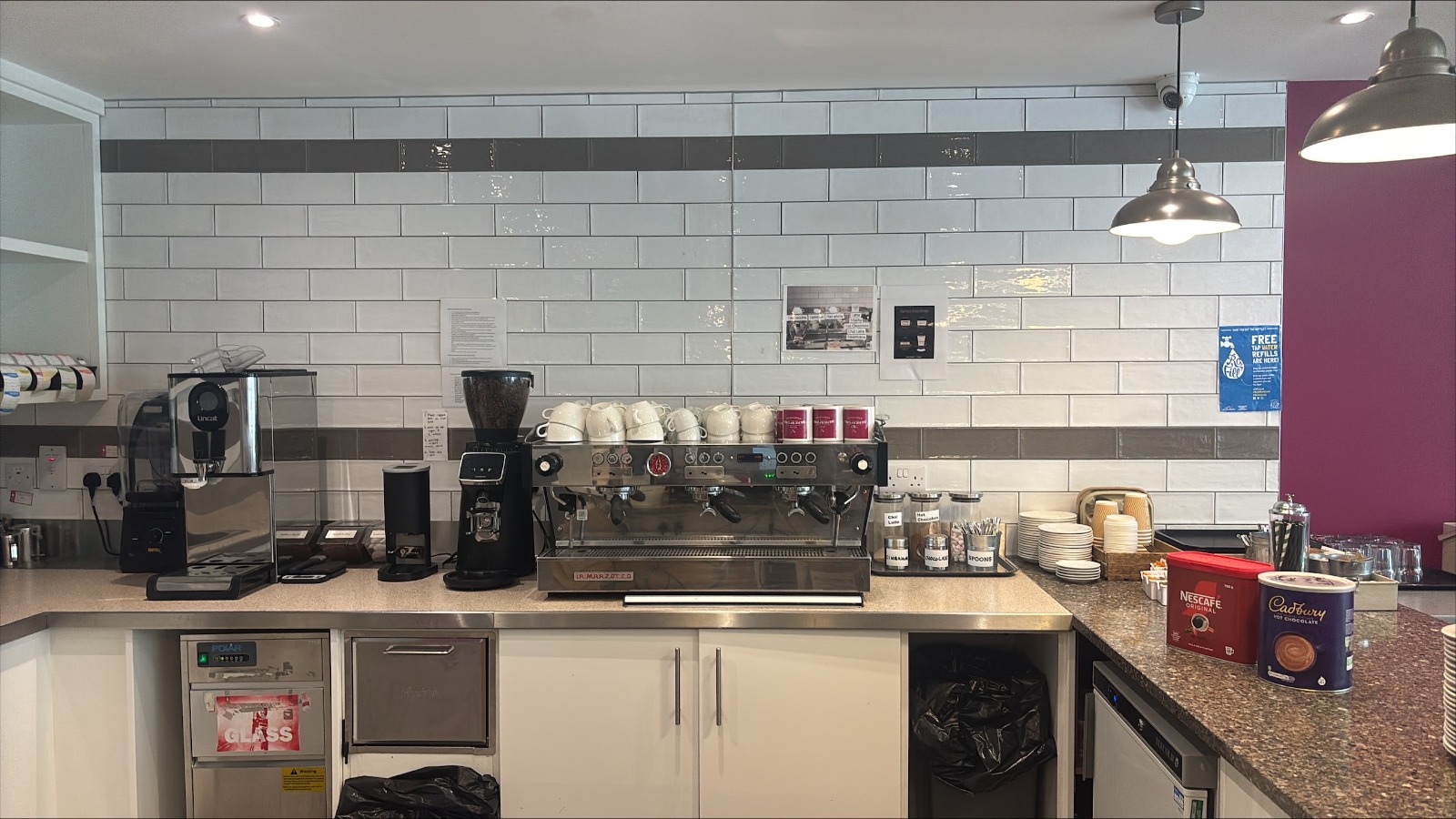
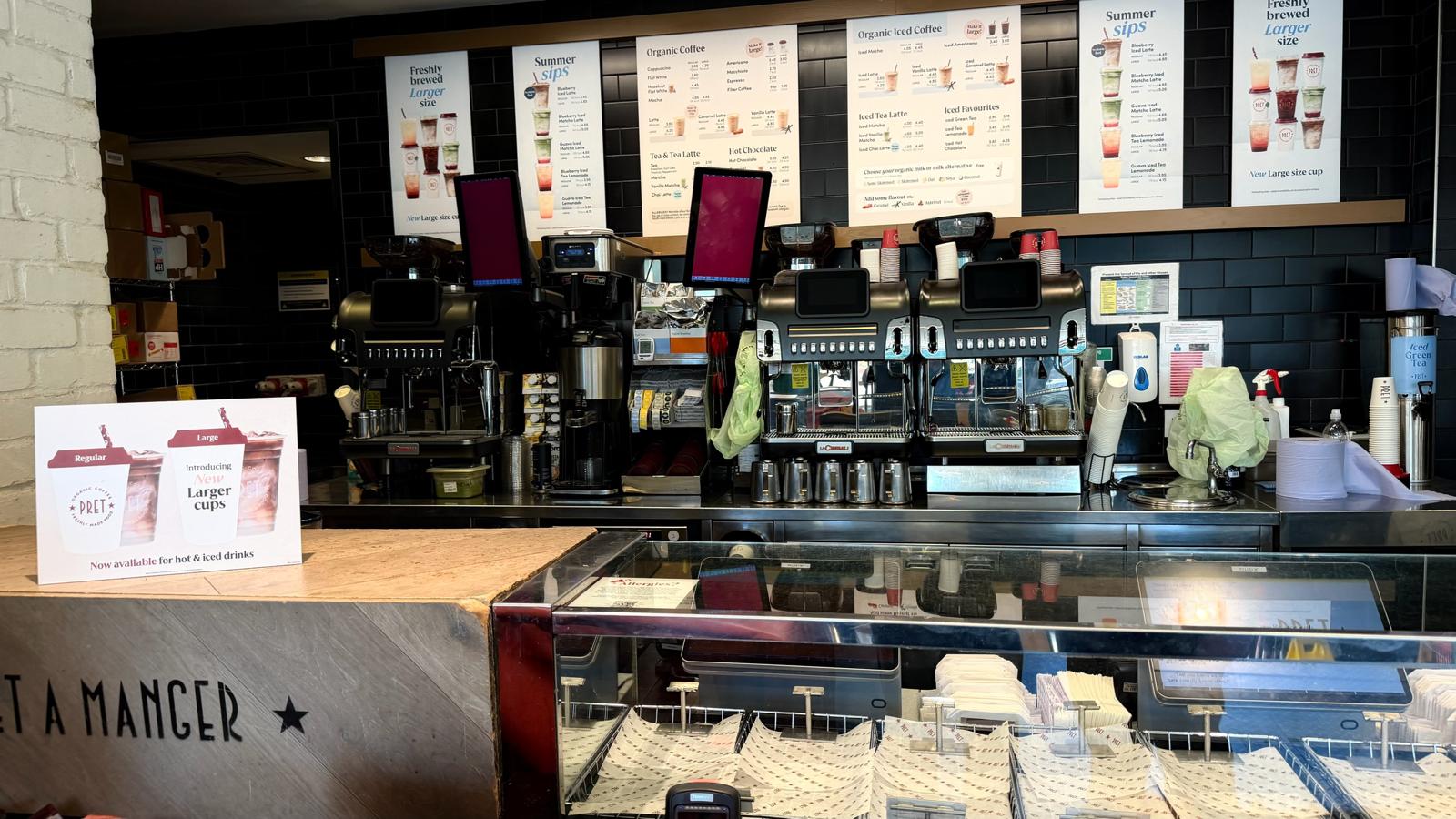
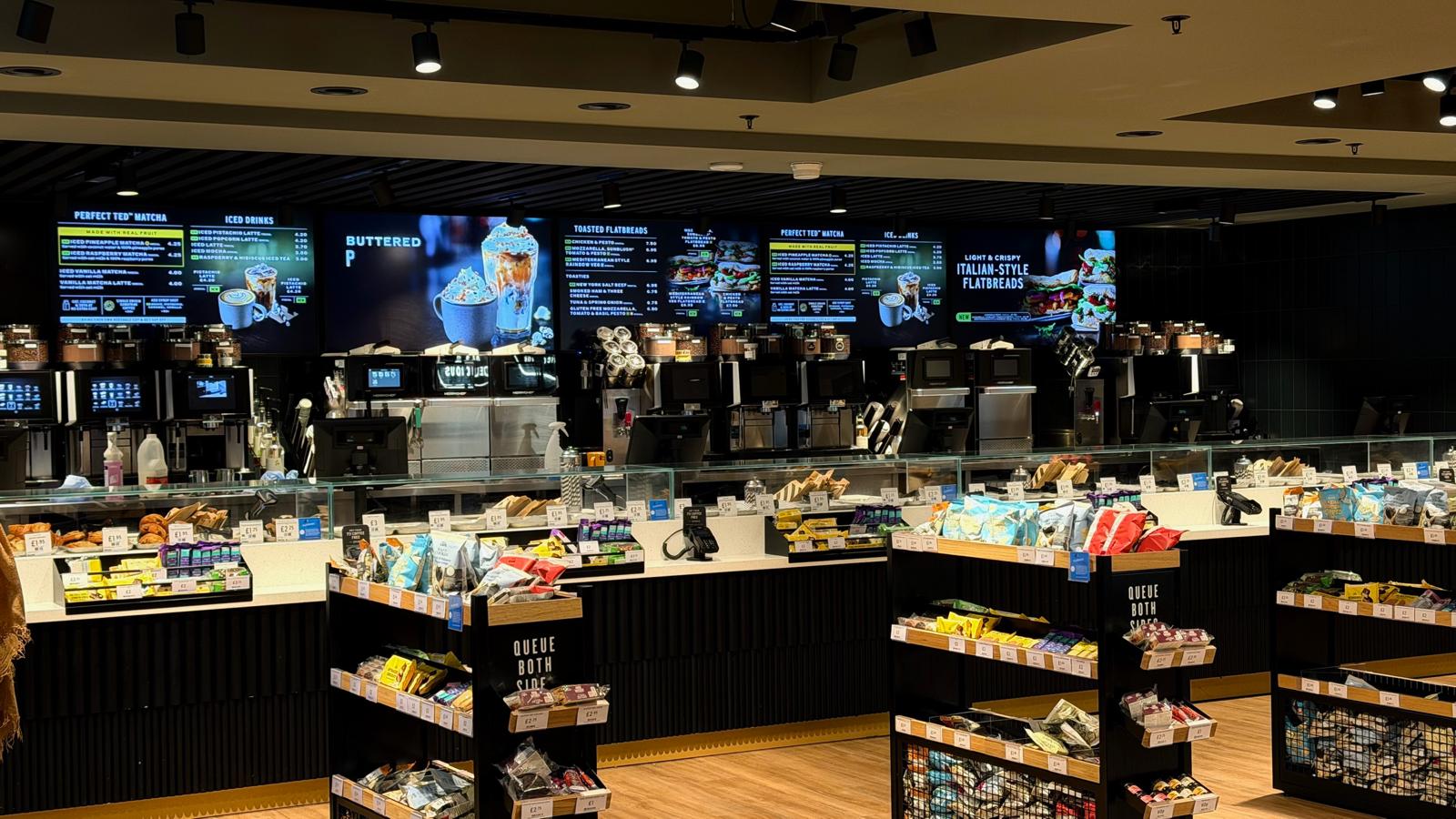
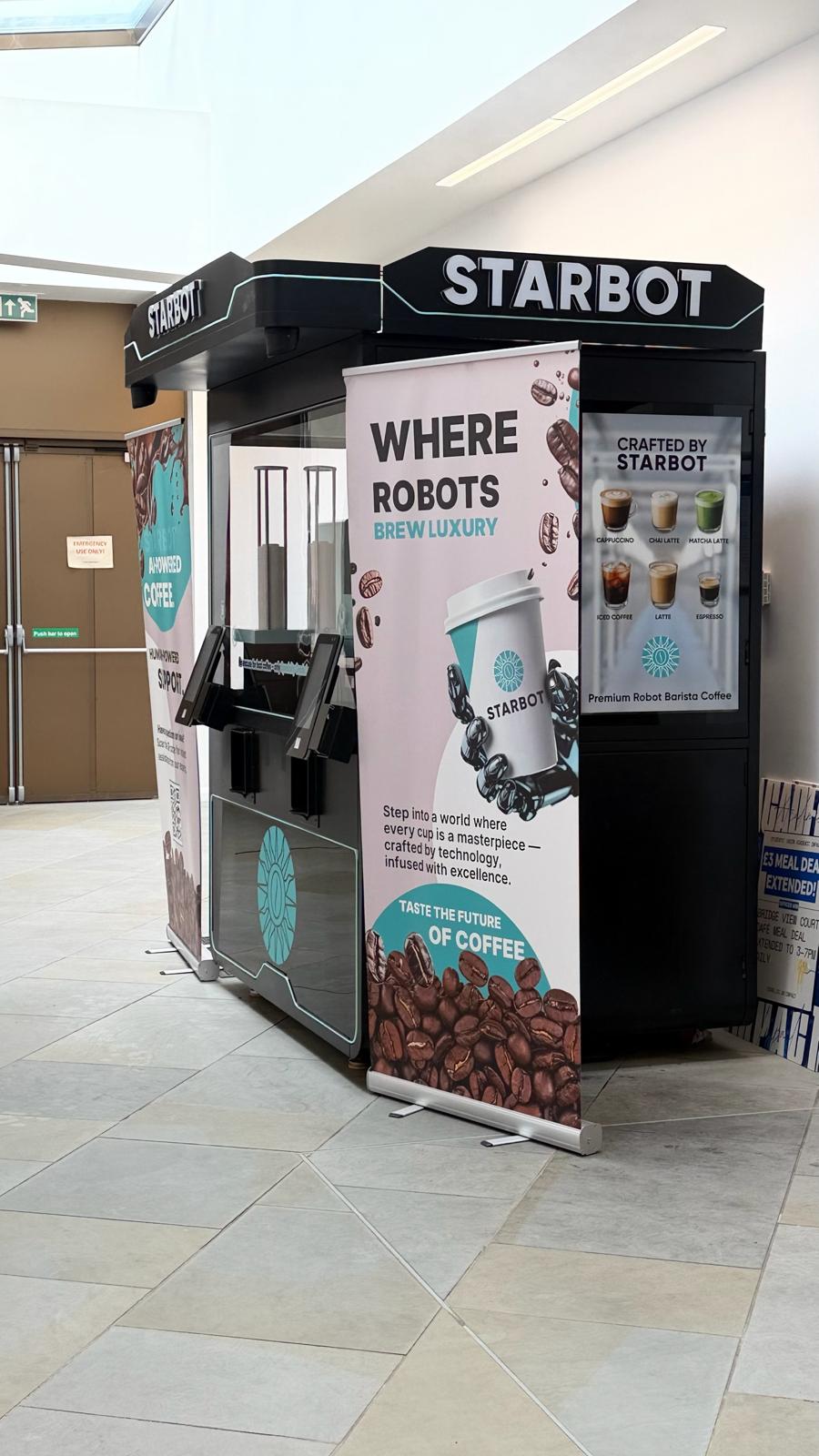
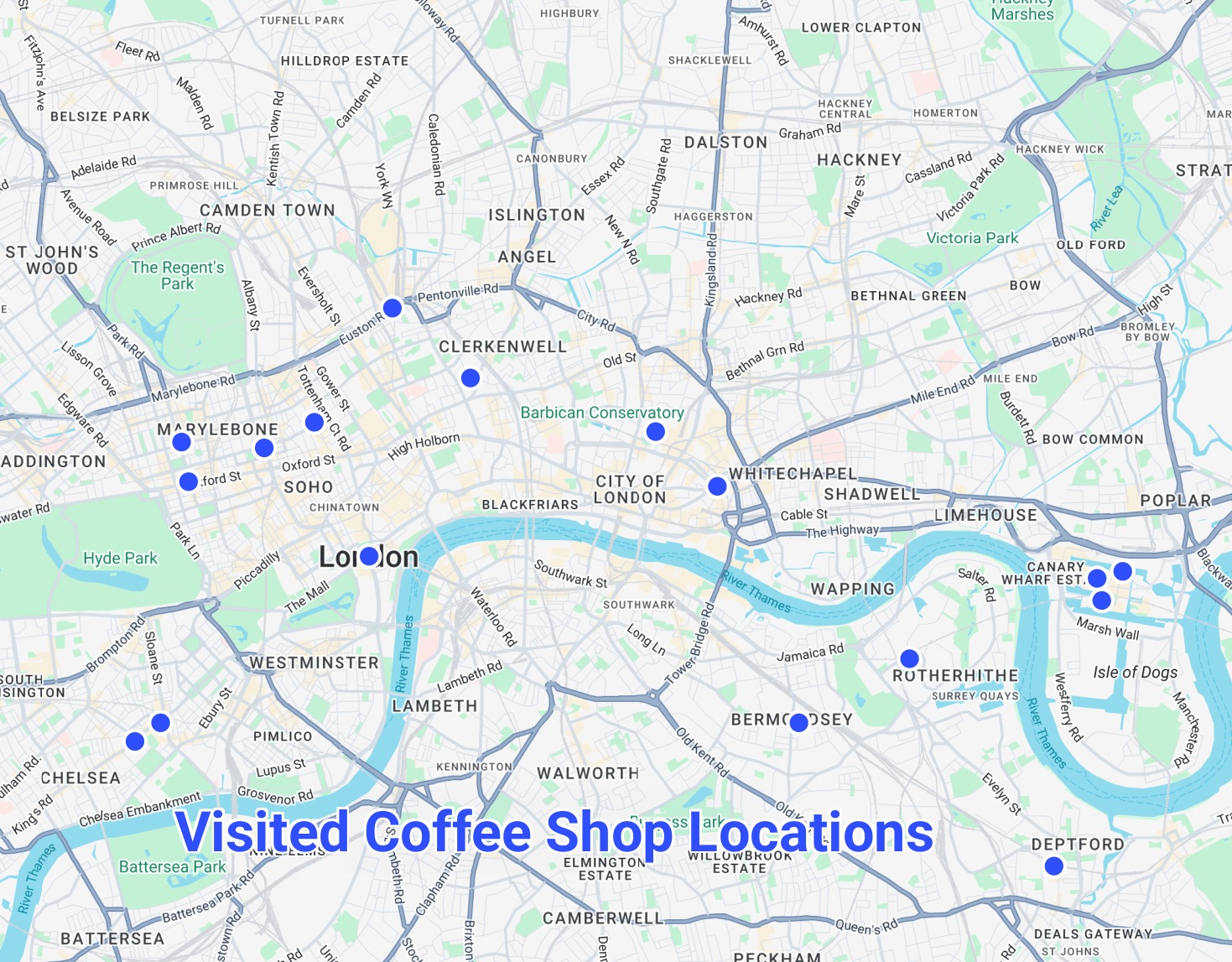
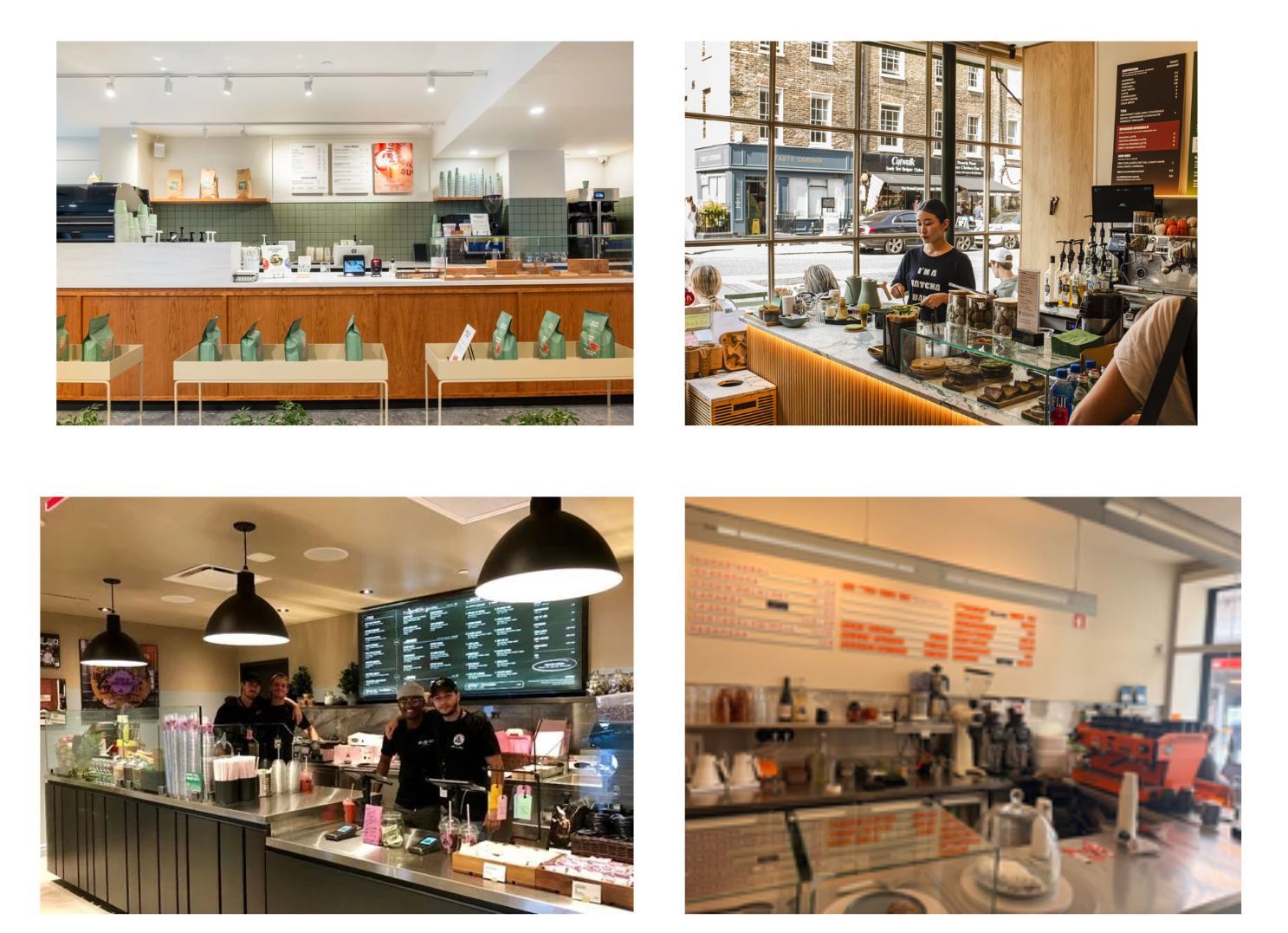
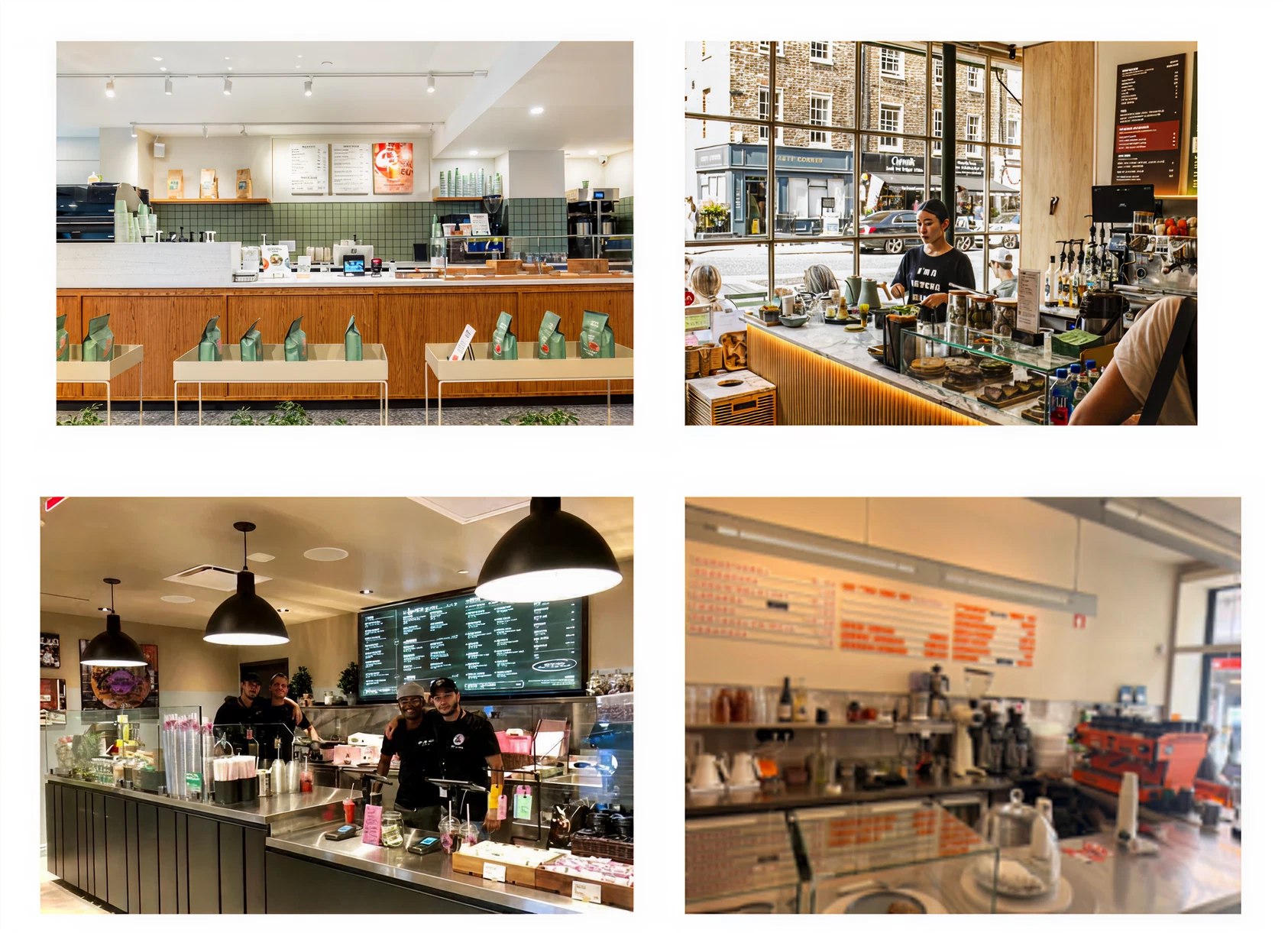
To better understand the workflows and accessibility challenges, observational research was conducted across a variety of coffee-making environments, ranging from high-volume commercial cafes to smaller independent spaces and experimental start-up settings.
The visits revealed how busy preparation areas often require employees to manage multiple tasks simultaneously while remembering drink steps, ingredient sequencing, and maintenance actions. These observat6ion became key drivers in exploring clearer workflow guidance, visual feedback, and more supportive interaction systems throughout the project.



Interview Insight
Interviews with café professionals provided insight into the pressure of fast-paced coffee preparation environments. Discussions explored workflow routines, multitasking, organisation, and moments where confusion or interruptions affected consistency and focus during drink preperation.
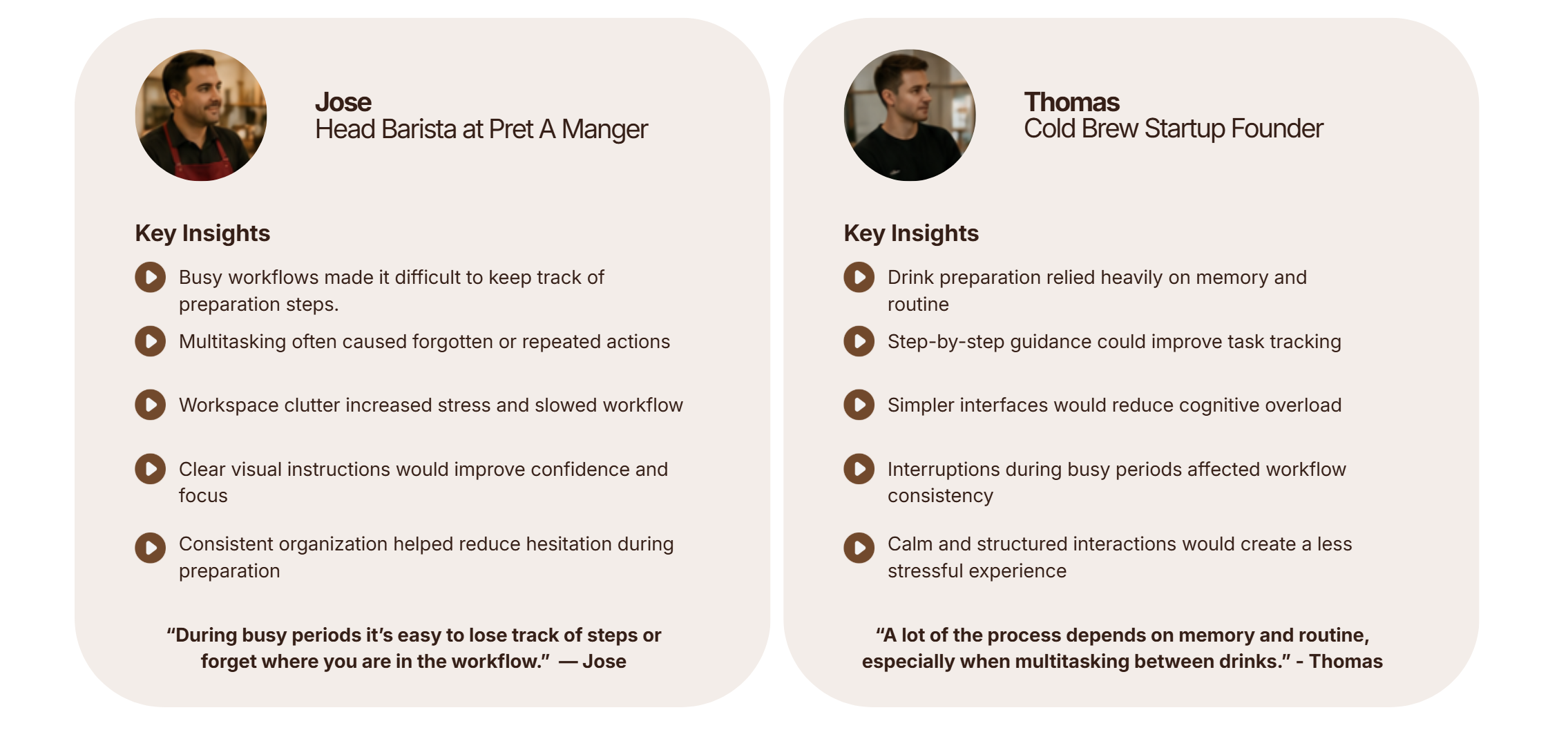
Dive deeper into the interviews
Existing Product Analysis
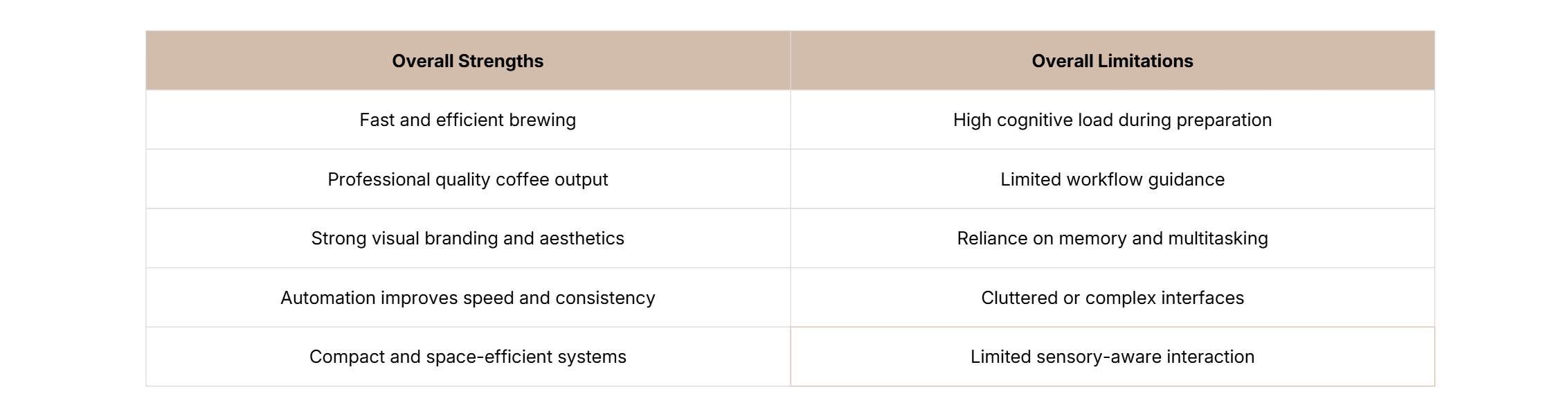
A range of commercial and domestic coffee machines were analysed to understand how current systems support workflow, usability, and accessibility during coffee preparation.
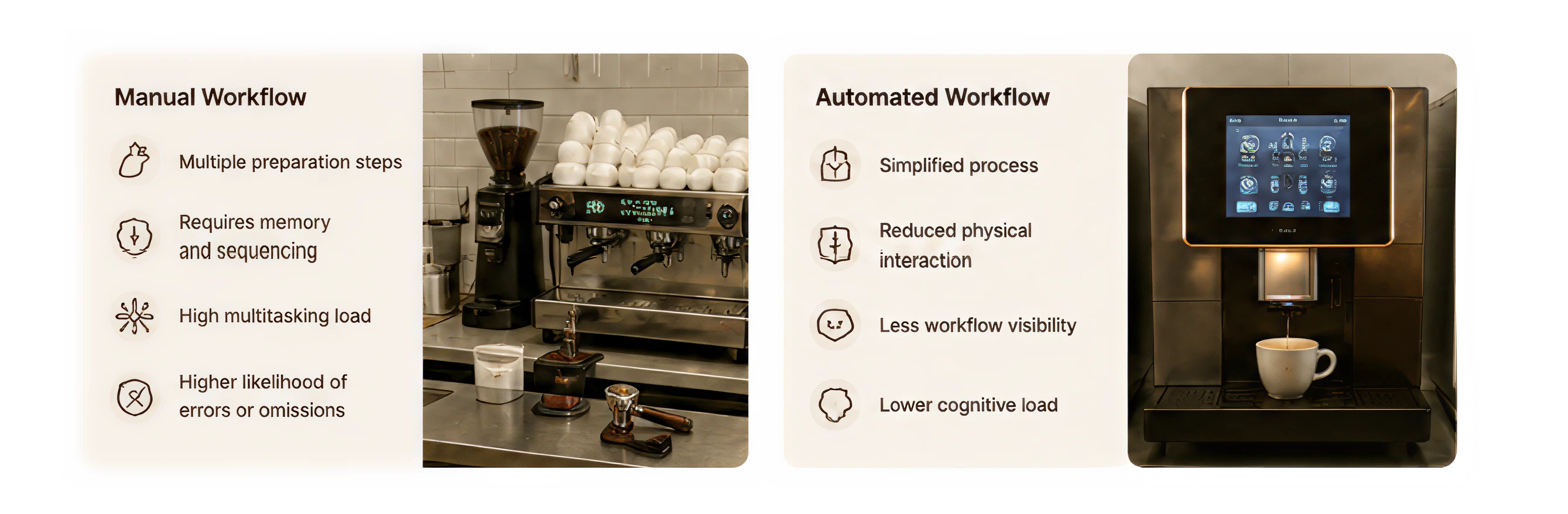
The comparison highlighted how many products either rely heavily on manual interaction and memory, or simplify the process through automation while reducing workflow visibility and user guidance.
Workflow Friction Analysis
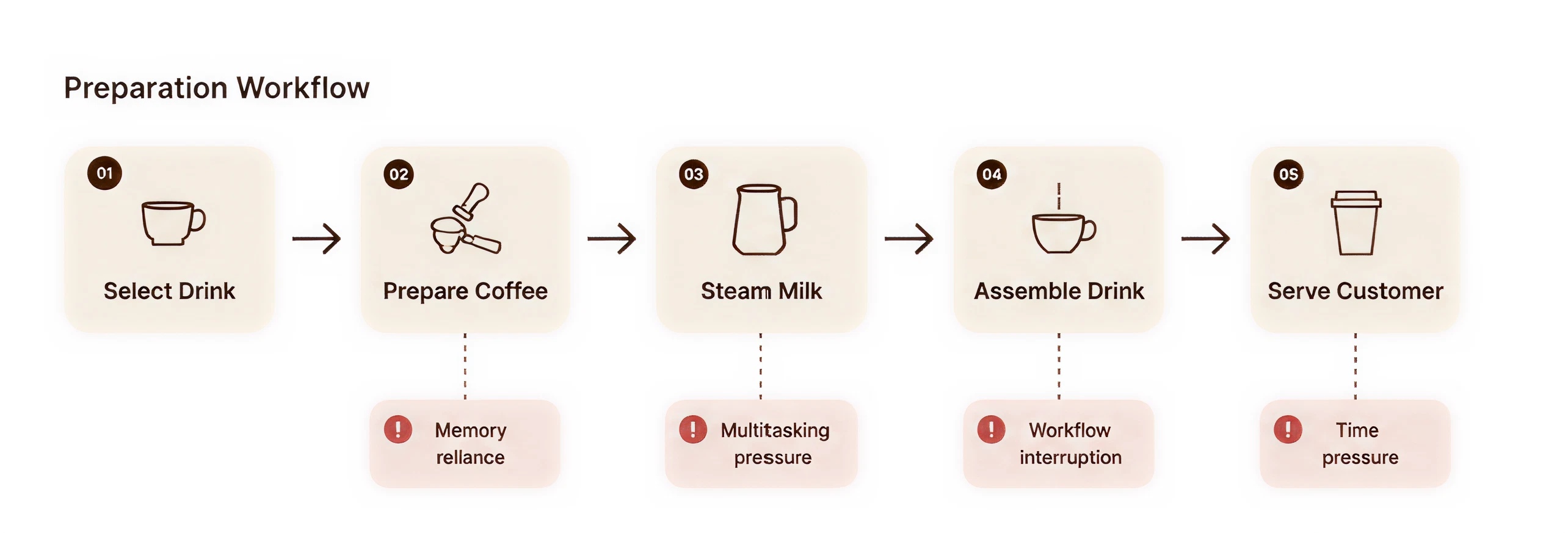
Workflow observations highlighted moments where memory reliance, multitasking, environmental distractions, and unclear sequencing interrupted coffee preparations. These friction points revealed opportunities for clearer guidance and more supportive interaction.
Cognitive Load
Coffee preparation often relied heavily on memory, sequencing, and task switching, especially during busy periods. Employees were required to remember multiple drink stages simultaneously, increasing mental fatigue and reducing workflow clarity.
Workflow Interruptions
Frequent interruptions from customers, overlapping drink orders, and fast-paced environments disrupted preparation routines. This often resulted in missed steps, repeated actions, or uncertainty withing the workflow process.
Sensory Pressure
Busy Café environments introduced sensory challenges including noise, movement, heat, harsh lighting, and visual clutter. These factors contributed to overstimulation and made it more difficult to maintain focus during preparation tasks.
Workspace Organisation
Tools, ingredients, cups, and preparation equipment were often spread across workstations without clear structure. Inconsist4ent layouts slowed preparation, increased hesitation, and reduced confidence when completing drink-making tasks.
Design Requirements
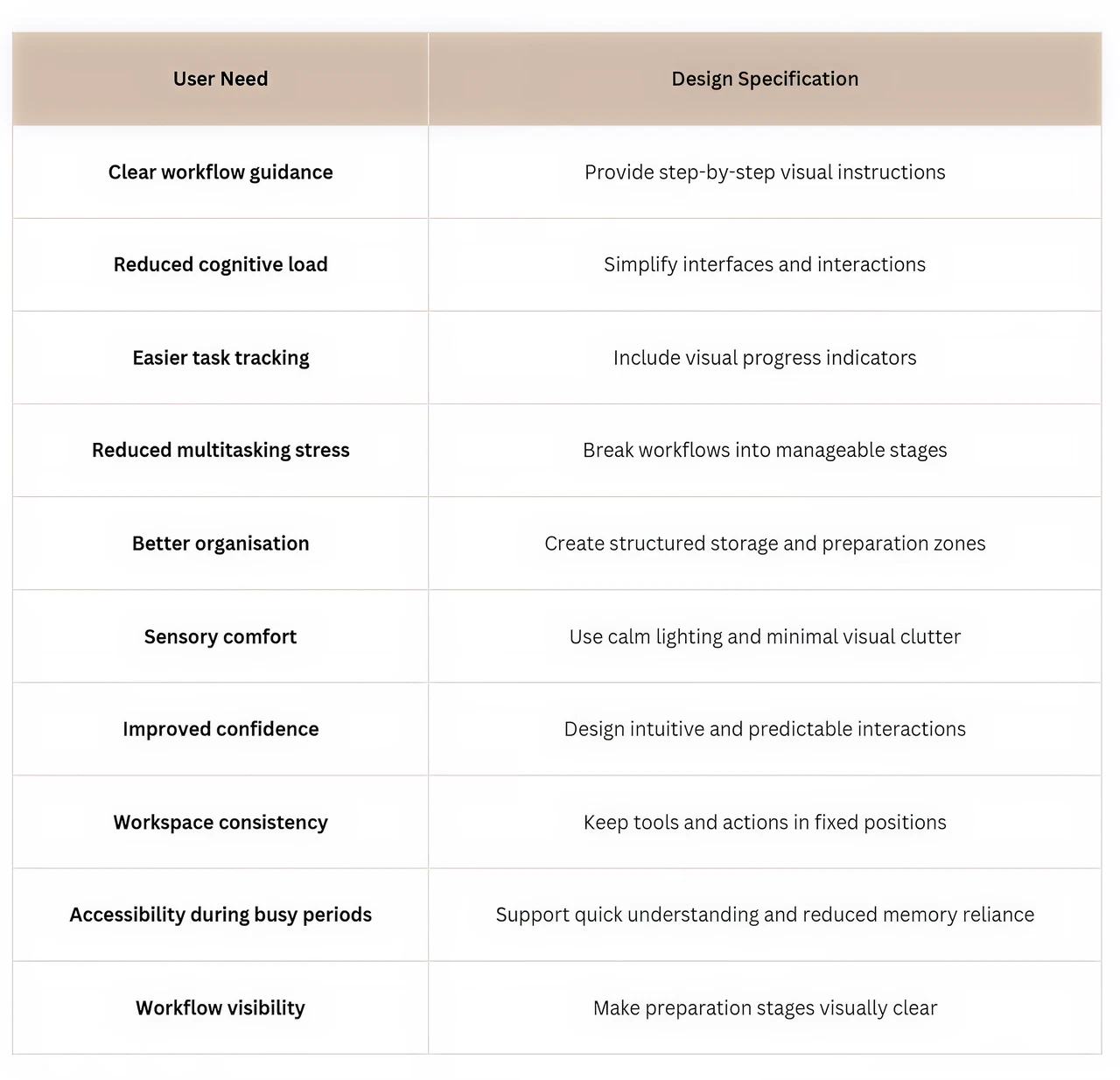
Insight gathered through interviews, observations, and workflow analysis highlighted the need for clearer guidance, reduced cognitive load, and more intuitive interactions during coffee preparation. These findings informed the key design opportunities and specifications shown below.
“How might we redesign coffee-making tools and workflows to help neurodivergent employees work more independently, safely, and confidently?”
Explore Designs